
Downey Neighbors by Block Source
A block search works best as a source map. Start with the parcel tied to an address, then identify what each nearby record can and cannot show. The Assessor map describes land and structures. The counter or an authorized data channel handles owner information that is not exposed online. The voter Street Index has a narrow lawful-purpose gate, while civic groups offer public contact points rather than member rosters.
| Source | What It Shows About a Block | Access |
|---|---|---|
| LA County Assessor Map and detail | Parcel pattern, AINs, situs, use, building, value and legal facts | Free; owner names suppressed online |
| Assessor counter or data channel | Owner and mailing information for a parcel | In person or authorized channel |
| Recorder chain | Earlier owners after a name and year are known | Norwalk appointment and copy order |
| Voter Street Index | Address-ordered registration data | Restricted permitted purpose only |
| Community Organizations | Public group contacts and introductions | Free; not a member directory |
| Neighborhood Watch | Officer contact, safety discussion and participation route | City program; no public roster or map |
Public property detail does not establish every person in a home. An owner may receive mail elsewhere, a directory may omit a household, and a community group may know a family without publishing its name. That is why the surrounding Downey households should be treated as a question with several bounded answers, not one all-purpose list.
Note: A parcel map is a land map, so its strongest answer concerns boundaries and legal identifiers, not household membership.
Click Around a Downey Parcel
The LA County Assessor Map is the practical starting point for adjacent parcels in incorporated Downey. Resolve one situs address, then pan and click the polygons next door. Each parcel can lead to its own AIN, dimensions, lot, tract, easement and street information. Keep the starting parcel's legal description beside each result so a nearby lot is not mistaken for the target.
- Enter the address or open the map and locate the parcel. Save the AIN, situs and map reference.
- Pan along the block and click each adjacent polygon. Record its AIN, dimensions, lot, tract, easement and street fields.
- Open parcel detail for land, building, value and legal-description clues. Do not treat those fields as a household roster.
- Use the Assessor counter or authorized data channel for owner and mailing information. The public website does not provide an online owner-name search.
- For a full named-street chain, use the address workflow on the Downey street directory page rather than turning a block view into a whole-street search.
The Assessor Map does not have a verified radius or buffer control for this task. GIS-NET has identify, query, buffer, measure, export, print, aerial and Street View tools, but it is designed mainly for unincorporated county territory. In incorporated Downey, favor the Assessor Map and city maps for local layers.
What a Downey Parcel Card Reveals
A parcel card is strongest when the question is about land, not people. The public Assessor Portal offers Basic Search, Legal Search and Map Search. An address or ten-digit AIN can lead to property information, recent sale information, roll values, a boundary description, building description and recent parcel-change activity when those fields apply. Weekly updates are normal except around roll release and tax extension.
Use situs, mailing and legal description as separate notes. Situs is the physical parcel address. Mailing information is the destination for assessment or tax correspondence and can point outside the block. Legal description identifies the lot, tract or parcel language that helps bridge a changed address. None of those fields proves who lives there or belongs to the household.
- AIN: the Assessor Identification Number for the parcel.
- Situs: the physical location used to identify the property.
- Lot and tract: map-based legal units that help compare adjacent land.
- Easement: a recorded right affecting use or access, not a person list.
- Mailing address: a correspondence destination that may differ from situs.
That distinction matters on a block because a legal owner, an occupant, a contractor and a person who receives mail can all be different. The record should say which relationship it supports.
California Rules for Street Indexes
California does not provide an unrestricted block browse through voter data. Elections Code sections 2188 and 2194, together with Government Code section 7924.000, limit voter-file disclosure to approved requesters and purposes. A street-ordered product may be available under a contract for an eligible election, scholarly, journalistic, political or governmental purpose. Curiosity about a block is not a reason to misstate a purpose.
My Voter Status is an authenticated self-service tool. It confirms the requesting voter's own registration context; it is not a public name and address directory. Voter-file products can include name, residence or mailing address, status, registration dates, party preference, precinct or district, vote-by-mail status and participation history, but the approved product and statutory redactions control what is delivered. Ballot choices are never shown.
Driver-license data and utility-customer data are not substitutes. A current or inactive registration also is not a definitive real-time residence finding. Protected voters, including Safe at Home participants, can be withheld. These limits make the parcel map the right first step for a lawful block study, with the voter channel used only when access and purpose genuinely fit.
Note: An authenticated voter result describes the requesting person's record and should not be recast as a block directory.
Downey Community Organizations as Contact Nodes
Community organizations can help a person meet people nearby without exposing a private roster. Downey's official organization list names the Downey Historical Society, Chamber, Coordinating Council, Conservancy, Rotary, Kiwanis, Lions, Woman's Club, YMCA, Friends of the Library, Gangs Out of Downey, and arts and service groups. Their public value is the contact point, event, or introduction route. The list does not establish who belongs to a group or which households live on a block.
| Historical and civic groups | Public programs, local memory, civic contacts and events |
|---|---|
| Chamber and service clubs | Community connections and public organization contacts |
| Library and arts groups | Programs, volunteer routes and neighborhood-facing activities |
| Community list boundary | No member directory, household roster or official block map |
Use an organization's published contact route and ask about an open event or general introduction. Do not ask a volunteer to confirm a private address. The same boundary applies to any informal neighborhood association. No verified HOA roster was located for Downey, so an association name should not be presented as proof of membership or residence.
Downey Neighbors and Watch Connections
The Downey Neighborhood Watch program provides a safer civic route for block questions. Its contact path can connect residents with an officer, crime-trend information, safety discussion, and information about starting or joining a group. The program is not a public map of nearby households, and it does not publish a roster.
Use the current city contact rather than relying on an old flyer or saved phone number. A program coordinator can explain what is appropriate to share and may offer an introduction through a group meeting. That is different from asking for a list of names. It also keeps safety concerns with the public-safety channel that handles them.
For a block study, pair this voluntary contact layer with parcel facts and a clear purpose. A crime trend can describe an area or concern; it cannot identify every person nearby. An introduction can build community trust; it cannot certify ownership or occupancy.
Official Rolls vs Commercial Neighbors
Commercial people-finder services may look broader because they combine public and purchased data, but breadth is not the same as accuracy. The category can merge people with similar names, preserve stale addresses, omit protected records, or charge recurring fees. Official sources are narrower, yet their custodian, date and access rule can be checked.
| Source category | Useful signal | Important limit |
|---|---|---|
| Official parcel records | AIN, geometry, legal description and property facts | Online owner names and household members are not available |
| Official voter channels | Authenticated status or approved file product | Restricted purpose; not open block browsing |
| Commercial people-finder services | Possible lead assembled from varied sources | May be stale, conflated, incomplete or paid |
| Community contacts | Voluntary introductions and public events | No member directory or private roster |
A lead should return to the custodian. The Assessor can clarify a parcel, the recorder can handle a deed chain after name and year are known, and a civic group can explain its own public contact practice. No commercial result should override those boundaries.
Downey Privacy, DROP, and Protected Addresses
California privacy law gives qualifying consumers rights under the CCPA and CPRA, including access, correction, deletion, and opt-out rights under Civil Code section 1798.100 et seq. California's DROP system allows one free request to reach 500+ registered data brokers. Requests began January 1, 2026, and broker processing begins August 1, 2026. Save confirmations and check again because data can be repopulated from public sources.
For a public safety registry, consult the California Megan's Law website directly and read its statutory-use notice.
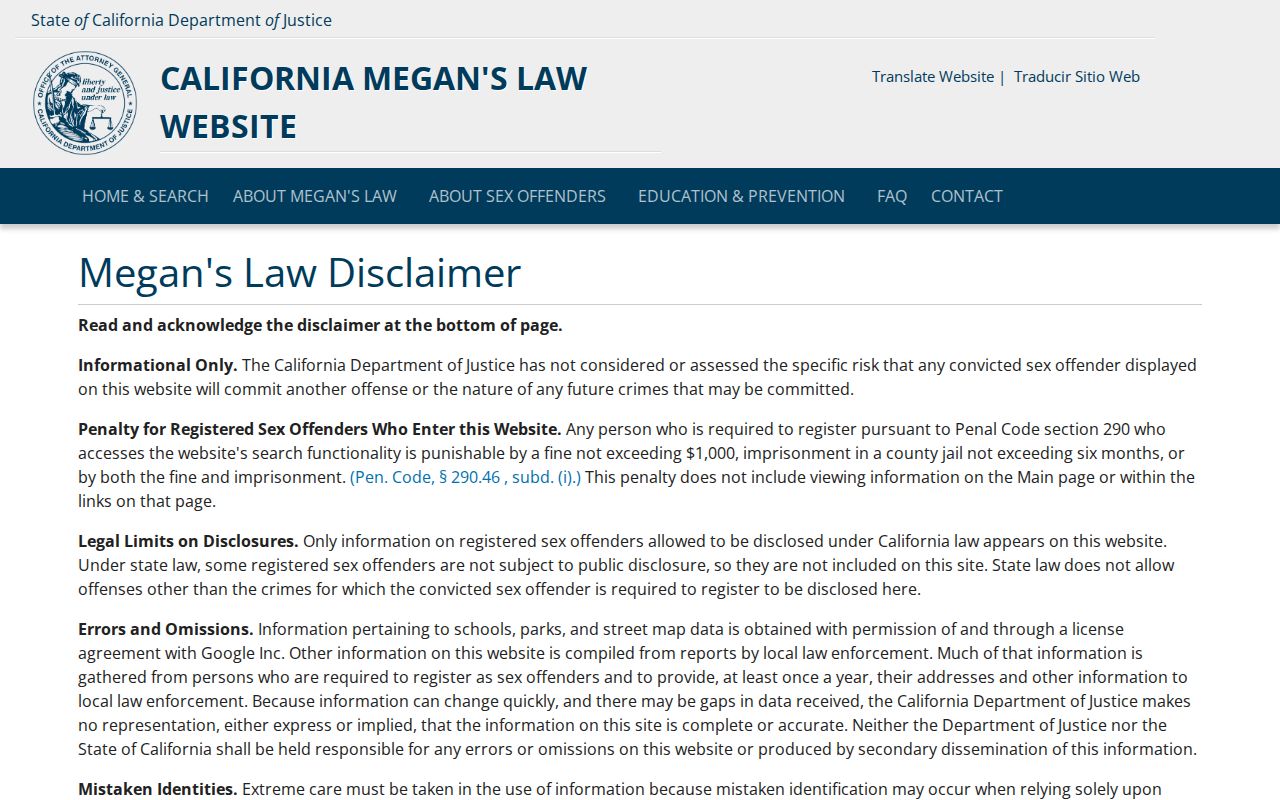
The registry is an official category with its own access and use limits, not a general neighbor list.
California privacy and business complaints can be sent through the Attorney General consumer complaint channel.
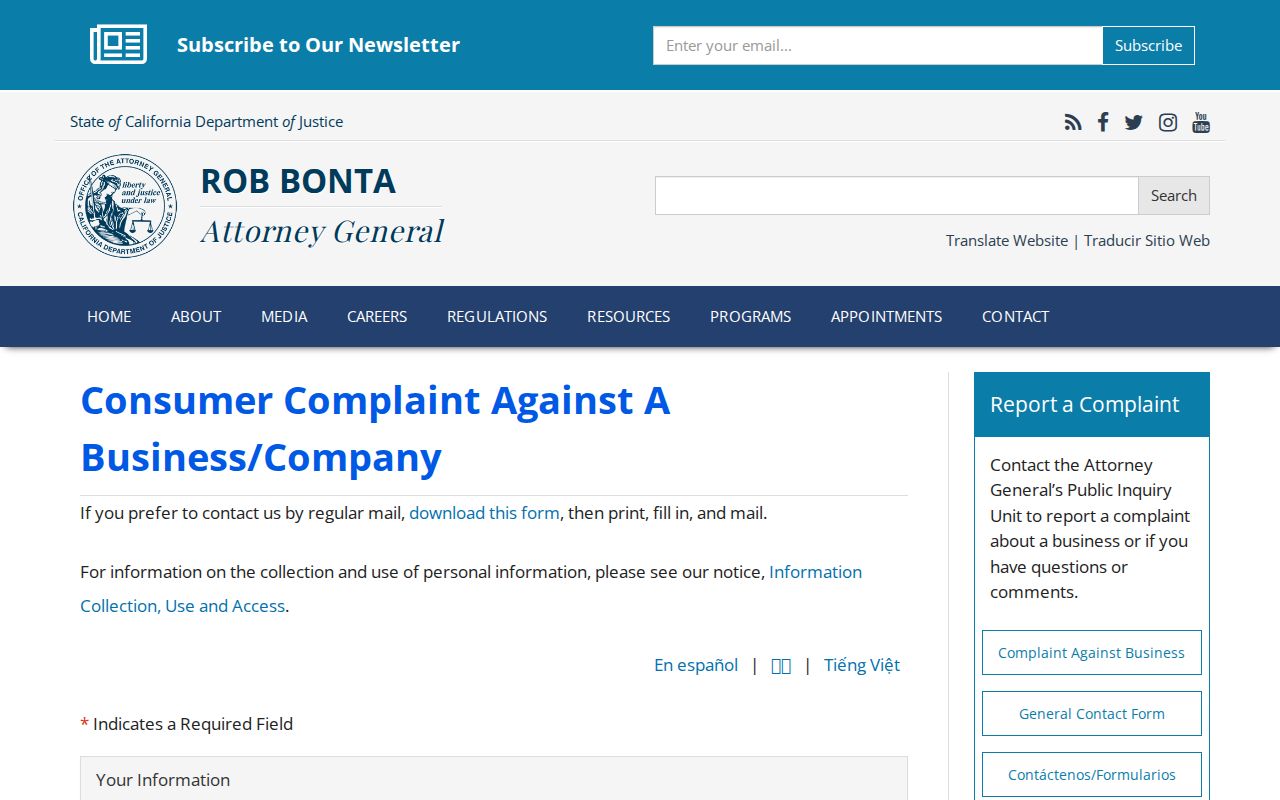
Use the complaint route for the problem it handles, and keep the underlying record source separate from a commercial compilation.
The Attorney General's DROP announcement explains the one-request broker process and its 2026 timing.
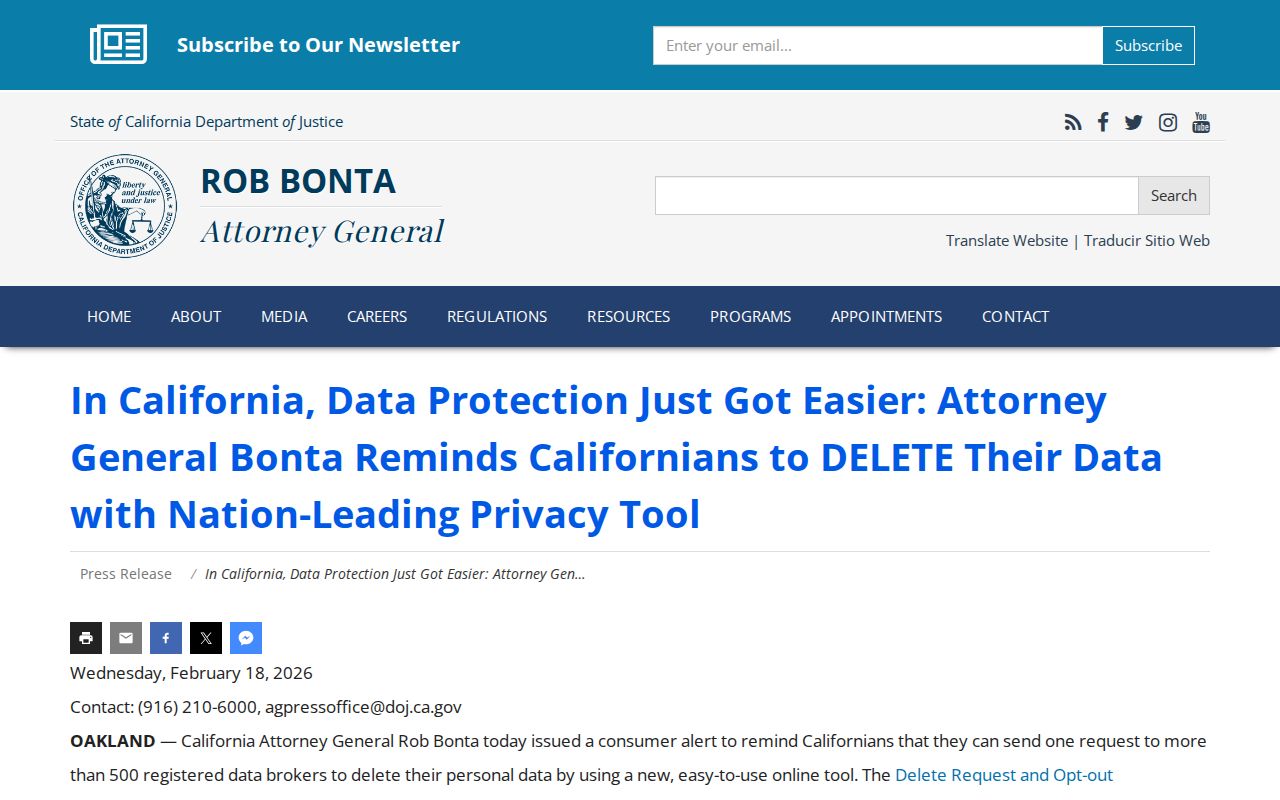
DROP helps with registered brokers, but it does not erase a parcel's legal description or turn public records into a private roster.
Privacy complaints can also be directed to the California Privacy Protection Agency complaint form.
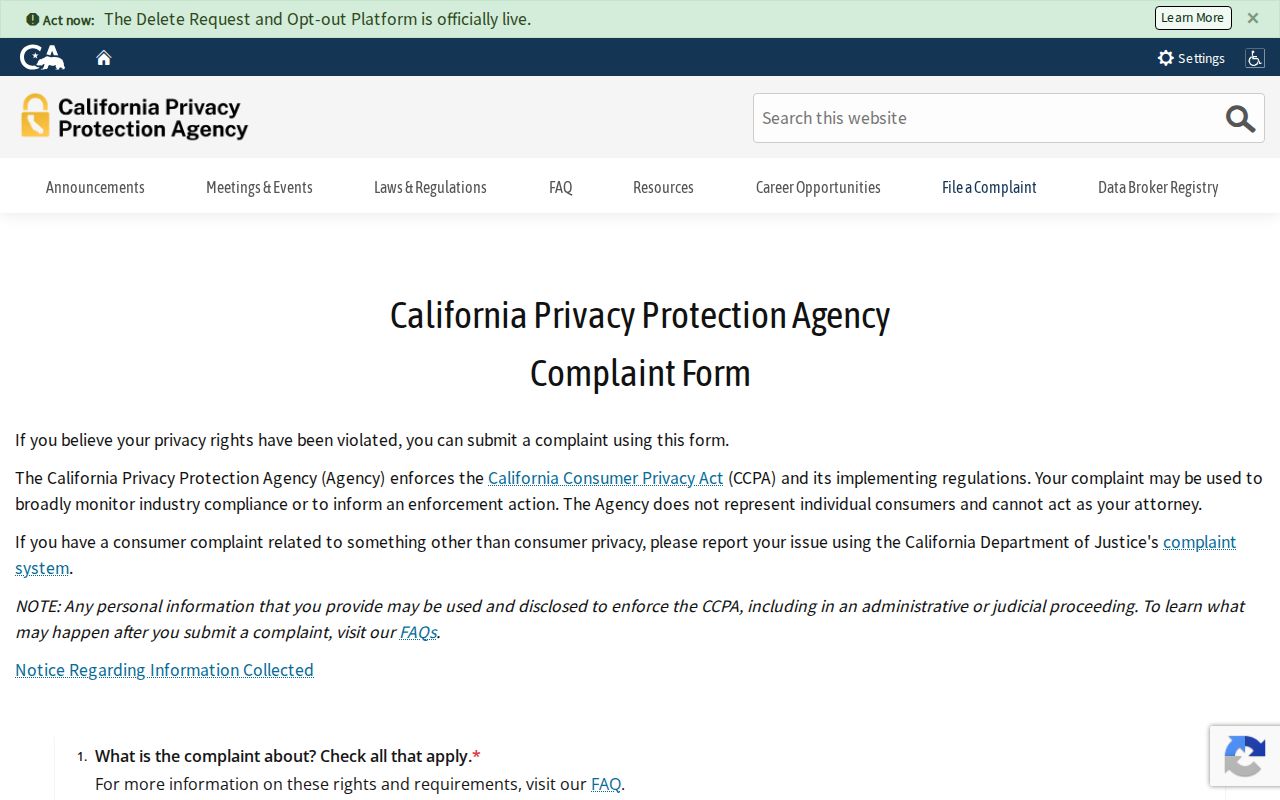
Safe at Home, under Government Code sections 6205-6216, can provide a substitute mailing address and confidential voter registration for qualifying participants. It does not make stalking or harassment lawful, and older records may still need statutory redaction or correction.
Note: A broker deletion request does not change the source record held by a county, city or court.
Lawful Research on Downey Neighbors
Block research is appropriate for civic participation, reconnecting, community events and personal safety awareness. It should end at a public contact route or a lawful record fact, not become a private dossier. Public records never authorize stalking, threats, impersonation or harassment.
Lawful use. Use Downey parcel and community information for lawful personal purposes. California Penal Code section 646.9 addresses stalking, Civil Code section 1708.7 provides a civil remedy, and Code of Civil Procedure section 527.6 provides a civil-harassment restraining-order process. Do not use a neighbor lookup to watch, intimidate, harass or harm anyone.
When a question moves from a block to a whole named street, follow the street record chain instead. When it moves toward a living person's protected information, stop and use the relevant custodian or privacy program. That is how a Downey block search stays useful without pretending that every neighbor is publicly knowable.